

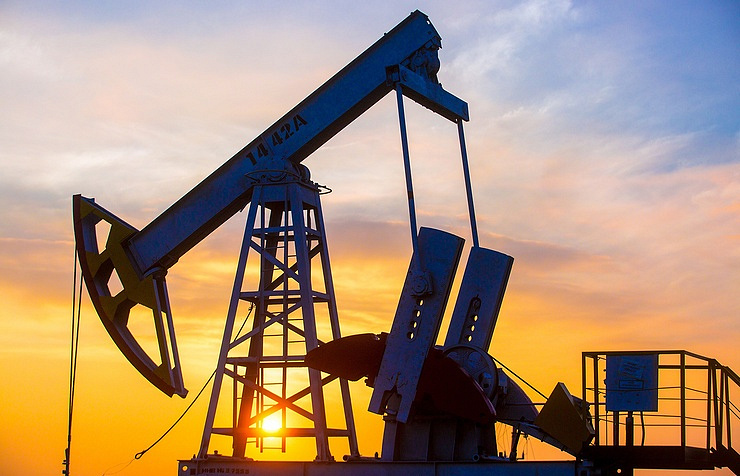
On October 5, OPEC+ fenced off to rampant volatility in the global oil market, as its ministers met in Vienna to adopt a resolution on cutting oil production by two million barrels per day starting November against the agreed quotas for August 2022. This came in a statement by the cartel’s press service. Also, the OPEC+ member states have extended the oil market "coordination regime" until late 2023 — the previous deal would formally expire at year-end.
The decision aims to anticipate the risk impact of an impending global economic downfall in the world oil market. The latter showed a consistent reaction — on October 6, a barrel of Brent exceeded $94 for the first time since September 15.
Along with the risks of losing supplies of Russian hydrocarbon over Western sanctions, the policy of OPEC+ may bring the prices back to three-digit values by the end of this year already. Thus, Goldman Sachs analysts have raised its fourth-quarter forecast for Brent from $100 to $110. And in the first quarter of 2023, the barrel may reach $115 (against the previous forecast of $108), CNBC reported.
The OPEC+ decision has caused a hubbub in the White House, because it manifests a resounding diplomatic failure of the US authorities. American President Joseph Biden’s summer tour of the Middle East (he visited Israel and Saudi Arabia on July 13 to 16) targeted another objective of increasing oil production for the sake of lower prices in the world market. It is crystal clear now that that all the US endeavors have gone sour.
The fuss has deep political roots. Democrats reasonably believe that the current multi-week cheap gas cycle will be an important argument in their political struggle. But the trend seems to have been interrupted now, with local media picking up signals about the gallon’s new price hike. And Unites States is about to hold midterm congressional elections that will seal Biden's political fate both until the end of his presidency and in regard to his re-election prospects in 2024.
Prior to the OPEC+ meeting, a number of high-ranking American officials once again tried to make a difference and persuade a pool of Middle Eastern states (including Saudi Arabia, Kuwait, the United Arab Emirates) to declaim against the production cuts plan at the cartel’s session.
And yet, Washington's zealous actions are falling short of the goal. In real-world contexts, the monarchy prefers commercial approaches when regulating the global oil market and supports the OPEC+ format, with Russia being its key ally.
It is only left for the United States to come up a new cycle of selling off strategic reserves, with their levels having reached an all-time low since the 1980s. These are really modest injections hardly able to compensate for the cartel volumes of oil that were planned to be washed out of the market in November. Besides, the United States will soon need to replenish its national black gold reserves.
One can also deem OPEC+ decision as an effective pre-emptive move, leveling the West’s sanctions policy against Russian energy resources — on October 6, the European Union approved of the eighth package, including a price cap for crude oil (starting December 5) and petroleum products (starting February 5, 2023). The price range is yet to be specified, although new sanctions establish legal basis for limiting the cost of oil and petroleum products from Russia.
EU commissioners should take full account of the fact that their reckless cap decision will bring worldwide hydrocarbon prices up. This means that the EU countries are doomed to “reap the rewards” of energy shortages: social bifurcations and industrial degradation. Moscow has repeatedly warned against introducing any price ceilings, with their endorsers to be rejected any energy supplies from Russia.
Apart from that, Russia is able to reduce production by 3 million barrels per day if the EU and US press the case further, Bloomberg writes with reference to experts interviewed.
According to Bloomberg, “Russian output of crude and condensate… rose to about 10.8 million barrels a day in July, its highest” since the country launched its special operation in Ukraine…
