
Japan: Trump slightly eases pressure
The White House has given that country’s PM some leeway ahead of elections

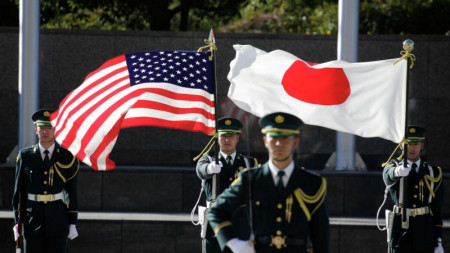
US Secretary of State Marco Rubio has dismissed media speculation that the US is demanding Japan increase its defense spending. According to him, Washington is merely "urging Tokyo" to do so. "We urged them to invest in certain capabilities," he told reporters after meetings at the ASEAN Regional Forum. "It’s not so much about the amount of money as it is about what they can actually achieve."
The top US diplomat added: "Ultimately, we agree with Japan on collective self-defense — on the ability to come to each other’s aid in times of conflict or crisis. We understand there are constitutional and legal constraints that limit their ability to invest in certain areas over others, but our relationship with Japan is extremely close, extremely strong."
This can be seen as a diplomatic response to reports claiming the Trump administration is pressuring Japan to raise its defense budget to 5 percent of GDP.
Two years ago, Japan committed to increasing defense spending to 2 percent of GDP by 2027. In April, Defense Minister General Nakatani stated that expenditures were nearing this target, reaching 1.8 percent of GDP. However, in June, the Pentagon told The Japan Times newspaper that it had set 5 percent of GDP as the "global standard" for Japan and other US allies. This was the first official confirmation that Washington was strongly pushing Tokyo to further expand its military budget. Earlier, Deputy Defense Secretary Elbridge Colby, as reported by Politico, had also demanded Japan raise defense spending to 5 percent of GDP — up from the previously discussed 3–3.5 percent. According to Politico, this led to a breakdown in US-Japan "2+2" talks and caused political backlash in Tokyo.
Japan denies ever discussing a specific figure, but in April, Trump called the alliance "one-sided." This echoed his rhetoric during his first term, when he demanded Tokyo contribute more funding, threatening to withdraw US troops otherwise.
Rubio’s statement appears to be a "good cop" move — an attempt to defuse tensions and align with Japanese Prime Minister Shigeru Ishiba. Ishiba has repeatedly stated that no one can dictate Japan’s spending and that strengthening defense capabilities matters more than arbitrary percentages.
Yet Ishiba now faces a critical test. On July 20, elections for Japan’s upper house will take place, and his ruling Liberal Democratic Party (LDP) is likely to lose its majority, repeating last year’s defeat in the lower house.
This could plunge Japan into a prolonged political crisis, even if the LDP leadership refrains from holding Ishiba accountable and allows him to remain in office.
The circumstances are far from favorable.
Trump has already announced a 25-percent tariff hike on Japanese exports to the US, set for August 1. Tokyo is also closely monitoring the dollar’s gradual decline, which further complicates Japanese exports. All this threatens Japan’s economy, but Ishiba’s government has failed to push Trump toward compromise. The bill is coming due.
The same applies to military spending. While Japan has actively played up threats from China, Korea, and Russia to justify remilitarization, Tokyo is now more concerned with rising prices and mitigating social costs — and there’s clearly not enough money for everything. Open pressure from Washington on defense spending is unwelcome, but the US administration seems to have decided against escalating public clashes between allies, using Rubio’s remarks to dial back the pressure.
Moreover, US Treasury Secretary Scott Bessent is set to arrive in Japan on June 19 for the US National Day at the Osaka Expo. The timing is no coincidence — just prior to the elections. Any positive signals he brings from Washington would benefit Japan’s conservatives and prevent them from blaming their potential defeat on the Americans.
But Trump’s "pullbacks" are always followed by renewed pressure. One way or another, Japan will have to pay.
